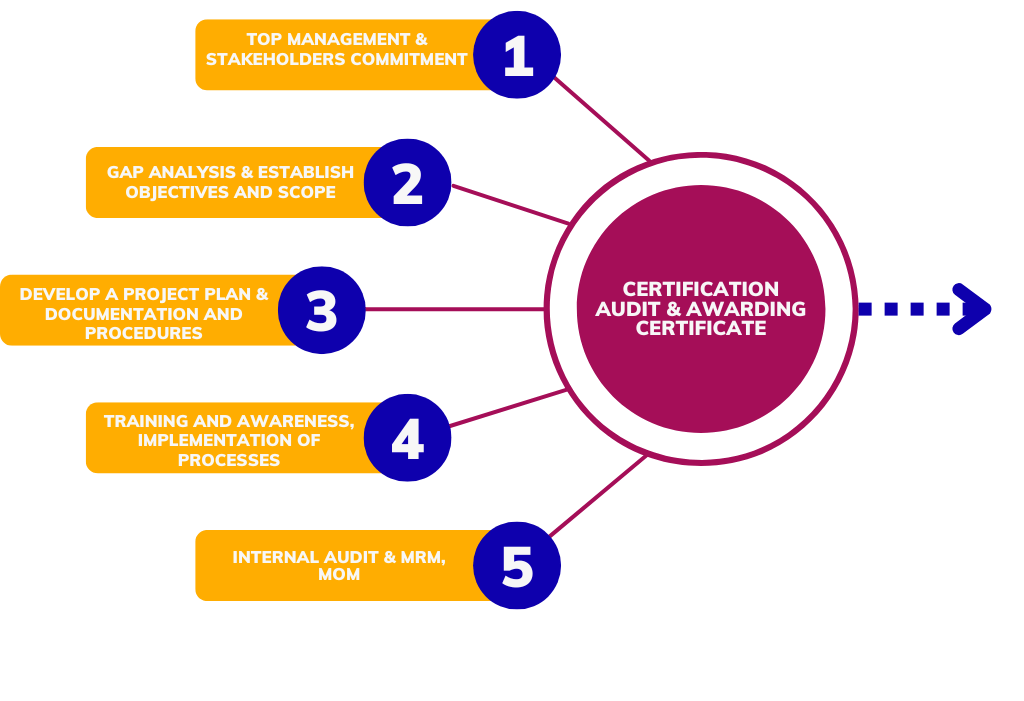
Food safety failures can come from many sources: contaminated raw materials, poor hygiene zoning, weak temperature monitoring, allergen cross-contact, cleaning chemical misuse, pest activity, packaging errors, inadequate labelling or uncontrolled rework. ISO 22000 provides a structured way to identify and manage these risks.
The system begins with clear product descriptions, intended use, process flow diagrams and verification of actual activities. Hazard analysis then considers biological, chemical, physical and allergen hazards at each step.
Prerequisite programs are essential. These may cover cleaning and sanitation, pest control, personal hygiene, water quality, waste handling, maintenance, supplier approval, storage, transport and foreign-body control. Without strong PRPs, food safety plans become unstable.
The standard also requires communication. Food safety information must flow between suppliers, customers, regulators where relevant, outsourced service providers and internal teams. Changes in ingredients, packaging, equipment, storage or process conditions should trigger review.
Certification readiness depends on records. Temperature logs, cleaning records, calibration evidence, inspection reports, product release records, corrective actions, traceability exercises and management review minutes should be current and meaningful.
Implementation should start by confirming the product range, intended consumers, packaging type, shelf life, storage conditions and distribution route. These details affect hazard analysis and determine whether controls are appropriate.
SOPs should cover cleaning, sanitation, pest control, personal hygiene, allergen control, foreign-body prevention, maintenance, supplier approval, temperature control, product release and recall. Forms should be designed for real-time completion by production and quality teams.
Risk management in a food safety system means understanding what could make the product unsafe and how the business will prevent, monitor and correct that risk. This includes supplier changes, ingredient substitutions, equipment breakdowns and staff turnover.
Internal audit should verify the floor, not only the food safety manual. Auditors should trace a batch, review monitoring logs, inspect hygiene records, interview operators and confirm that corrective actions are completed when deviations occur.
A comprehensive FSMS should include outsourced activities such as transport, pest control, laboratory testing, equipment maintenance, waste handling and contracted cleaning. These providers can influence food safety and should be evaluated, instructed and monitored.
Food safety objectives should be measurable and meaningful. Examples include fewer temperature deviations, improved cleaning verification, faster corrective action closure, reduced foreign-body incidents, stronger supplier document completion or better traceability-test performance.
Continual improvement should be based on complaints, internal audit findings, product testing trends, verification results, nonconformities and management review decisions. The FSMS should evolve whenever products, processes or hazards change.
Required documentation should also define who has authority to release product, stop production, quarantine material, approve rework and communicate with customers during suspected food safety incidents. These decisions must not be left unclear during an emergency.
Best practice is to run a mock recall or traceability exercise before certification. The team should prove that input batches, production records, storage locations and distribution details can be connected quickly and accurately.
Management review should examine the food safety culture as well as records. Training effectiveness, operator reporting, hygiene behavior and supervisor follow-up all influence whether the FSMS works under production pressure.