Many organizations manage waste, packaging material, oils, cleaning chemicals, fuel use, wastewater, emissions from equipment or vehicle movement. ISO 14001 helps bring these topics into one management system instead of treating them as separate operational problems.
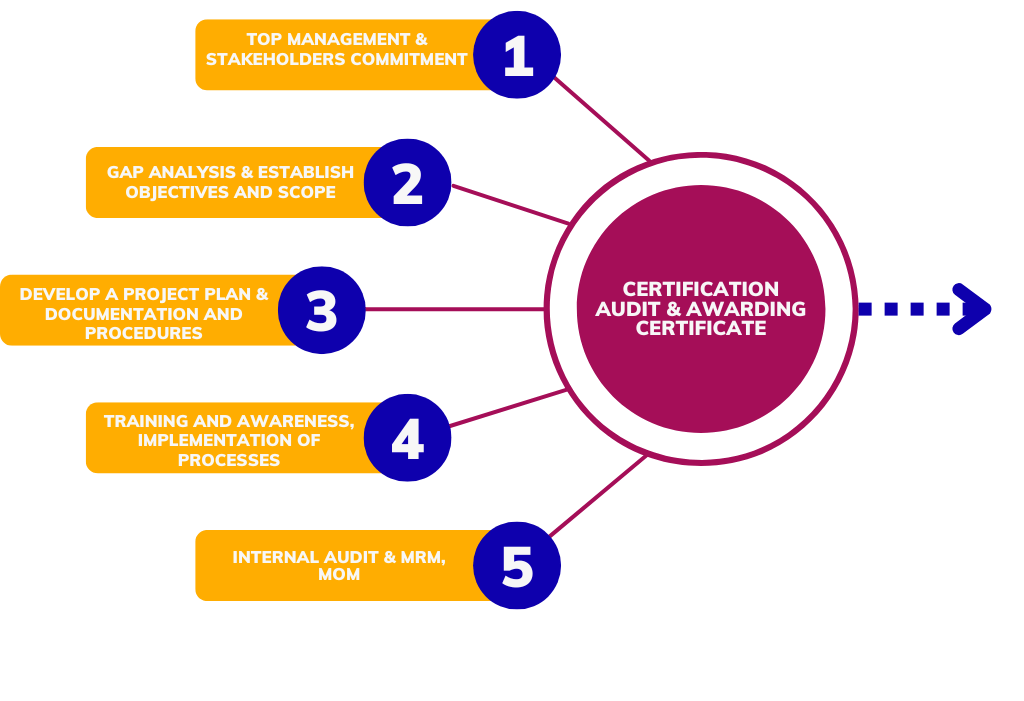
The first step is to determine environmental aspects under normal, abnormal and emergency conditions. For example, a warehouse may focus on packaging waste, vehicle idling, diesel storage and spill response, while a factory may need controls for production scrap, wastewater, air emissions, chemical handling and contractor activities.
Legal and other requirements must be identified and evaluated. The EMS should include a compliance register, responsible person, evidence of evaluation and action tracking. This is important because environmental certification without compliance evidence can fail during audit or customer review.
Environmental objectives should be meaningful for the business. They may address reduced electricity consumption, improved segregation of recyclable material, safer chemical storage, reduced water loss, improved maintenance, better contractor control or faster emergency response.
ISO 14001 also creates a platform for employee awareness. Workers who understand spill response, waste segregation, storage labels and escalation points can prevent small incidents from becoming costly problems.
Implementation should include a site walk-through that checks storage areas, waste points, drains, maintenance areas, chemical rooms, loading zones and emergency equipment. Many environmental aspects are visible only when the process is observed, not when documents are reviewed from a desk.
SOPs may cover waste segregation, hazardous material handling, spill response, wastewater controls, equipment maintenance, contractor environmental rules and emergency communication. Forms should capture inspections, disposal evidence, drill results, training and corrective actions.
Risk management in ISO 14001 includes both environmental aspects and business risks linked to compliance, resource availability, community expectations and operational disruption. The system should identify what could go wrong and how the organization prevents or responds to it.
Internal audit should include interviews, record review and physical verification of controls. Management review should then use audit results, compliance evaluations, incidents, complaints and objective progress to decide where the EMS needs stronger resources or controls.
A comprehensive EMS should also address outsourced activities that can create environmental impact. Waste collectors, pest-control contractors, maintenance teams, transport providers and cleaning suppliers should be controlled through instructions, approvals and evidence of responsible service.
Environmental performance data should be simple enough to maintain and useful enough to support decisions. Waste quantities, utility use, incidents, inspection results and compliance checks can reveal whether objectives are realistic or need revision.
Continual improvement may involve reducing disposal cost, improving chemical storage, preventing leaks, optimizing water use, training contractors or redesigning a process to create less waste. ISO 14001 helps these actions become planned and reviewed.